Insight
Can AI Understand African Languages and Cultural Contexts?
By James Mane · October 17, 2026 · 2 min read
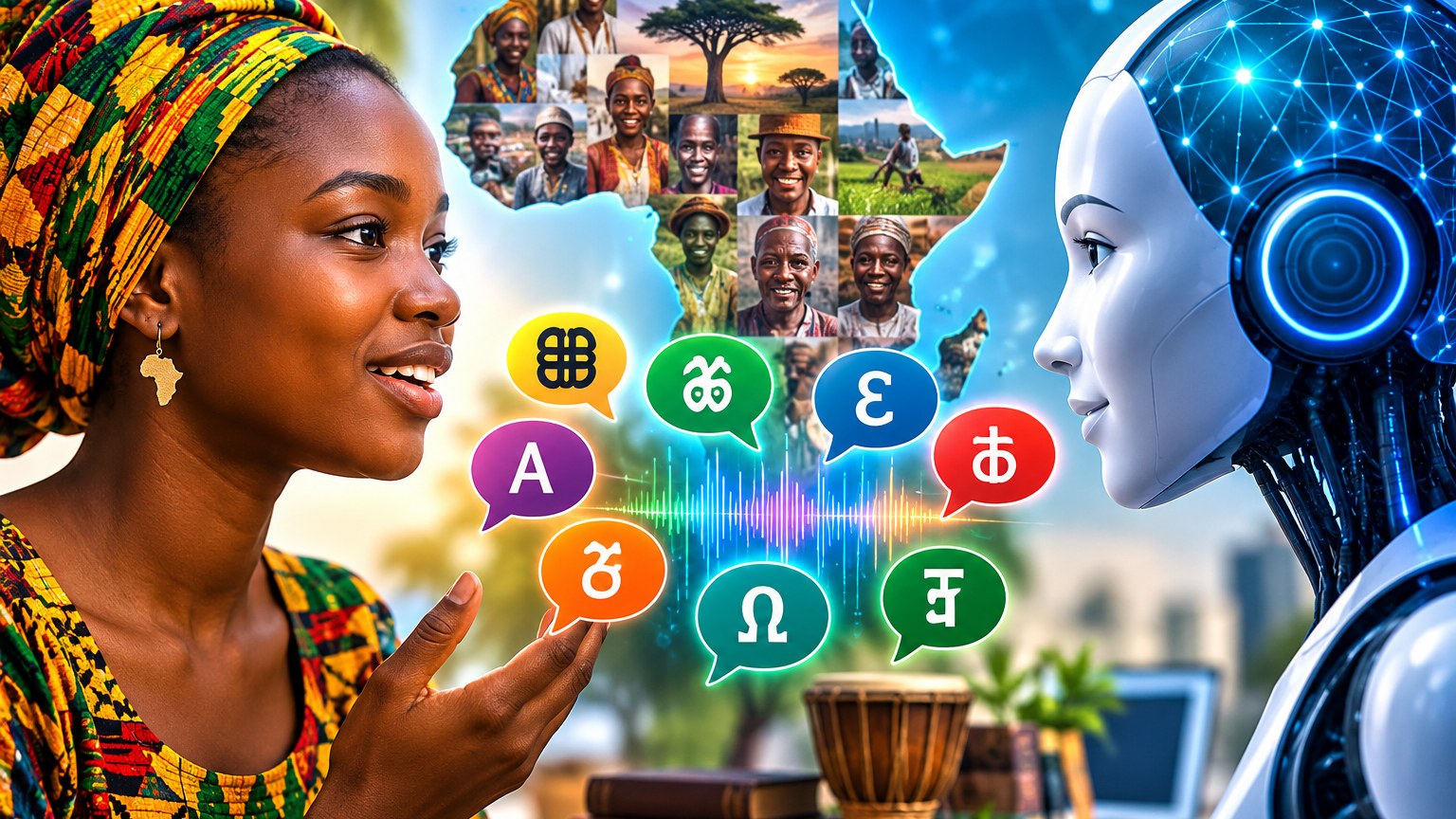
Artificial intelligence is transforming how people communicate, learn, work, and access information. However, a critical question remains. Can AI truly understand Africa’s linguistic and cultural diversity?
Africa is home to thousands of languages, including Twi, Ewe, Ga, Dagbani, Yoruba, Hausa, Swahili, Amharic, and Zulu. Yet many AI systems perform better in widely represented languages such as English than in languages with limited digital data.
This gap can exclude millions of Africans from the benefits of AI. Understanding a language goes beyond translating words. It requires interpreting local expressions, proverbs, accents, humour, traditions, and cultural meanings.
Addressing this challenge requires collaboration among African researchers, universities, technology companies, governments, and local communities. Together, they can develop representative language datasets, build culturally aware AI models, and ensure that African knowledge and perspectives shape the future of technology.
Locally relevant AI could transform education, healthcare information, agriculture, public services, and financial inclusion by making digital solutions more accessible to African communities.
However, progress must be guided by ethical principles, including informed consent, privacy, cultural ownership, and respect for community rights.
The future of AI in Africa should not simply speak African languages. It should also understand the contexts, values, and lived experiences behind them.
What steps should African countries take to ensure that AI reflects their languages, cultures, and realities?
#ArtificialIntelligence #AfricanLanguages #ResponsibleAI #DigitalInclusion #AIResearch #AIRSA